Buying a house with structural issues can be a good decision if you know the cause, the repair and the cost before your conditions expire. Make the offer conditional on inspection, bring in a structural engineer as soon as the home inspector flags cracks, sagging or movement, ask the seller for past reports and permits, and use the engineer's scope to get repair quotes and negotiate price or repairs.
- A home inspection flags symptoms; a structural engineer tells you the cause and scope within the conditional period.
- Documented, permitted repairs with an engineer's letter are a very different risk from unexplained movement.
- Get quotes on the engineer's scope, not a contractor's sales pitch, before renegotiating.
- Foundation settlement and gradual damage are generally not covered by home insurance, so budget for them.
- Keep every report, permit and warranty; they carry value to the next buyer.
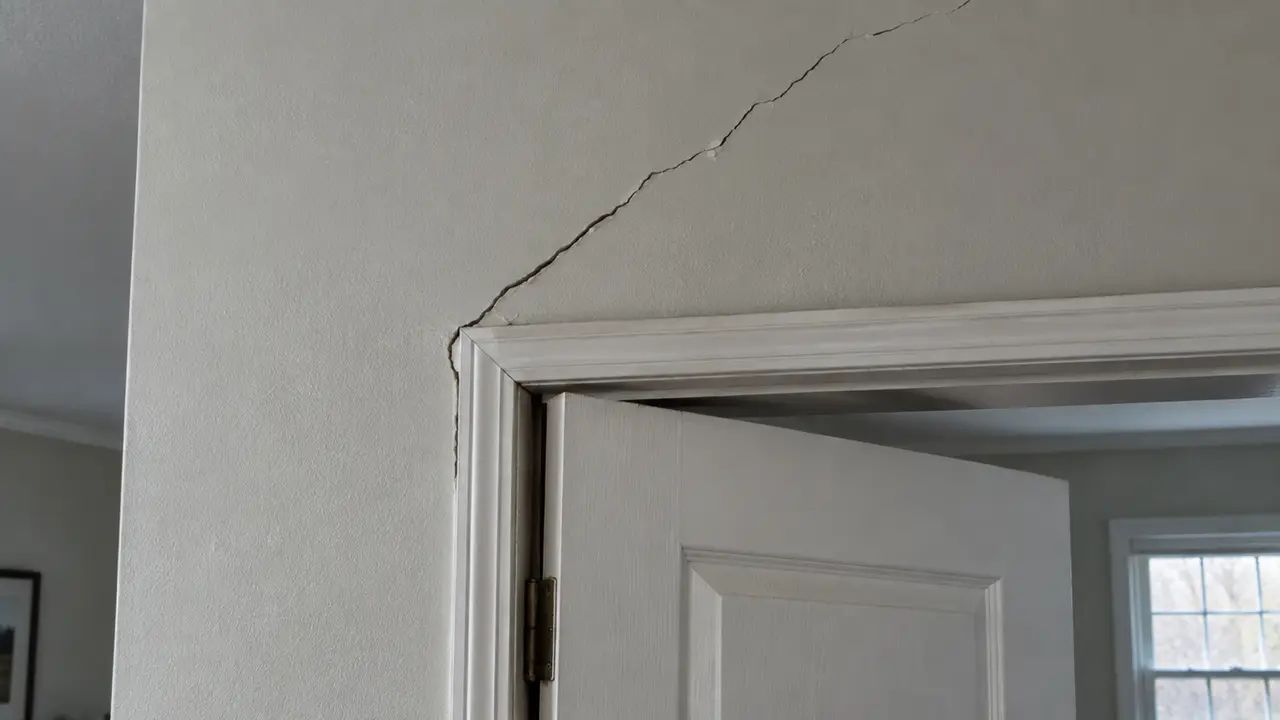
01 /Should you buy a house with structural issues?
It depends on three things you can find out before you are committed: what is causing the problem, whether it is still active, and what a proper repair would cost. Many older houses have structural history, such as a sagging floor sistered decades ago, a wall removed with a beam, or old settlement cracks that have not moved in years. Those can be perfectly sound purchases. The risky ones are problems with an unknown cause, active movement, or a repair bill larger than the discount you negotiated.
| Finding | Typical risk | Usual next step |
|---|---|---|
| Old, stable cracks with engineer's letter and permit records | Low | Review documents; confirm nothing has changed |
| Sagging floor with sound framing, stable | Low to moderate | Engineer's opinion and a repair estimate |
| Wall removed, beam visible, no permit found | Moderate | Engineer check of beam, posts and footings; ask the municipality about permit records |
| Horizontal crack or bowing basement wall | Moderate to high | Engineer assessment before conditions expire; quotes on the engineer's scope |
| Active settlement, fresh cracks, doors newly jamming | High | Engineer assessment; consider walking away if the cause and cost are unclear |
| Split beams, rot, sagging ridge under load | High | Engineer urgently; renegotiate or walk away |
02 /What does a home inspection tell you about structure?
A home inspection gives you a broad, visual overview of the house, including visible structural symptoms. CMHC advises that it is always a good idea to have the home you are buying inspected by a knowledgeable and professional home inspector, and notes that if the report identifies needed repairs, you and your agent will need to discuss whether to withdraw your offer or how the repairs affect the price you offer.
What an inspection does not do is diagnose structure in depth. A home inspector is a generalist. When the report says "recommend evaluation by a structural engineer", that is the inspector doing their job well, not a formality. The engineer can tell you whether the crack is shrinkage or settlement, whether the sag is stable, and what the repair actually is.
03 /How do you fit a structural engineer into the conditional period?
Conditional periods are short, often a week or two, so plan the engineer before you need one. The sequence that works:
- Write enough time into the condition
If the listing mentions foundation repairs, the house is old, or you see cracks at the showing, ask your agent about a longer inspection condition.
- Book the home inspection early
The inspection is the trigger. Ask the inspector to call you on site if they find a structural concern.
- Have an engineer lined up
Contact a residential structural engineer as soon as you make the offer, explain the timeline, and ask about a fast site visit and letter. See what a structural engineer does.
- Ask for the seller's records
Past engineering reports, permits, repair invoices and any transferable warranties. Absence of records is itself information.
- Get repair quotes on the engineer's scope
Even rough quotes based on a defined scope are far better than guesses.
- Decide
Waive the condition, renegotiate, or walk away, before the deadline.
04 /How do you negotiate a house with structural problems?
Negotiate from the engineer's scope and real quotes, not from alarm. Sellers and their agents respond better to a defined repair and a number than to a list of worries.
Some buyers negotiate a holdback, where part of the sale price is held back until a repair is completed. Holdbacks are arranged through lawyers and need clear written terms; ask your real estate lawyer whether one fits your situation. Your lender may also have questions about major structural issues, and your insurer may ask about the foundation and renovations, so tell your mortgage broker and insurance broker early.
05 /Does structural repair affect home value and resale?
An unexplained structural problem reduces what buyers will pay, because they price in uncertainty. A structural repair that is documented, with an engineer's report, stamped design, closed permit and a completion letter, usually shrinks that discount, because the next buyer can see what was wrong and how it was fixed. Poorly documented or unpermitted repairs can have the opposite effect: they raise questions without answering them.
- Keep engineering reports, drawings, permits, inspection records, invoices and warranties in one file.
- Ask whether repair warranties transfer to a new owner and what they require (registration, maintenance).
- Keep monitoring records; stable readings after a repair are reassuring evidence.
- Disclose known structural issues and repairs when you sell; your agent and lawyer can advise on your obligations.
06 /Who pays: insurance, warranties and taxes?
Budget as if you will pay for structural repairs yourself, because standard coverage rarely applies to existing problems. The Insurance Bureau of Canada notes that most policies exclude damage like cracking, shifting or settling of a foundation, and home insurance is designed for sudden and accidental events rather than gradual deterioration. New homes may be under a provincial new home warranty program with structural coverage for a limited period; check the program in your province and whether coverage remains. The insurance and warranty guide sets out structural coverage periods by province.
For taxes, repairs to your own home are generally personal expenses. For a rental property, the Canada Revenue Agency distinguishes current expenses, such as repairs that restore a property to its original condition, which are usually deducted in the year, from capital expenses that give a lasting benefit or improve the property beyond its original condition, which are generally deducted over time as capital cost allowance. Ask an accountant how that applies to your repair.
| Finding | Typical planning range |
|---|---|
| Engineer's pre-purchase visit and letter | $500–$1,500 |
| Sister several floor joists | $1,000–$4,000 |
| New beam, posts and footings under a sagging floor | $4,000–$12,000 |
| Brace a bowing basement wall | $3,000–$12,000 per wall |
| Underpin a settling corner with piers | $8,000–$25,000 |
See the structural repair cost guide and the Structural Warning Sign Triage for a quick read on what you saw at the showing. If you are in a conditional period now, send a request with the inspection excerpt and photos; the HAUSE Home desk replies with next steps.
FAQQuestions people ask
Should I walk away from a house with foundation problems?
Not automatically. Walk away when the cause is unknown, movement is active and the repair cost is unclear or larger than the price adjustment. Stable, documented, well-repaired problems can be fine.
Is a home inspector enough to assess structure?
A home inspector gives a valuable overview and flags concerns. For a structural concern, an engineer's assessment is the usual next step, ideally within the conditional period.
Does a past structural repair hurt resale value?
A documented, permitted repair with an engineer's letter usually reassures buyers. Unexplained or undocumented structural problems tend to reduce what buyers will pay more.
Are structural repair warranties transferable to a buyer?
Some are, often with conditions such as registration or a fee. Ask for the warranty document and confirm transfer terms before closing.
Are structural repairs tax deductible?
Repairs to your own home are generally personal expenses. For a rental, CRA treats repairs that restore original condition as current expenses and improvements as capital expenses. Ask an accountant.
Can I get a mortgage on a house with structural issues?
Often, but lenders and appraisers may ask questions about significant structural problems, and some may want repairs addressed. Tell your mortgage broker early so conditions can be planned.